Green and its Symbolism
Green is a calming, vital, and refreshing color. It is closely associated with nature, life, youth, hope, and freedom — but also, quite paradoxically, with poison, envy, and decay.
–
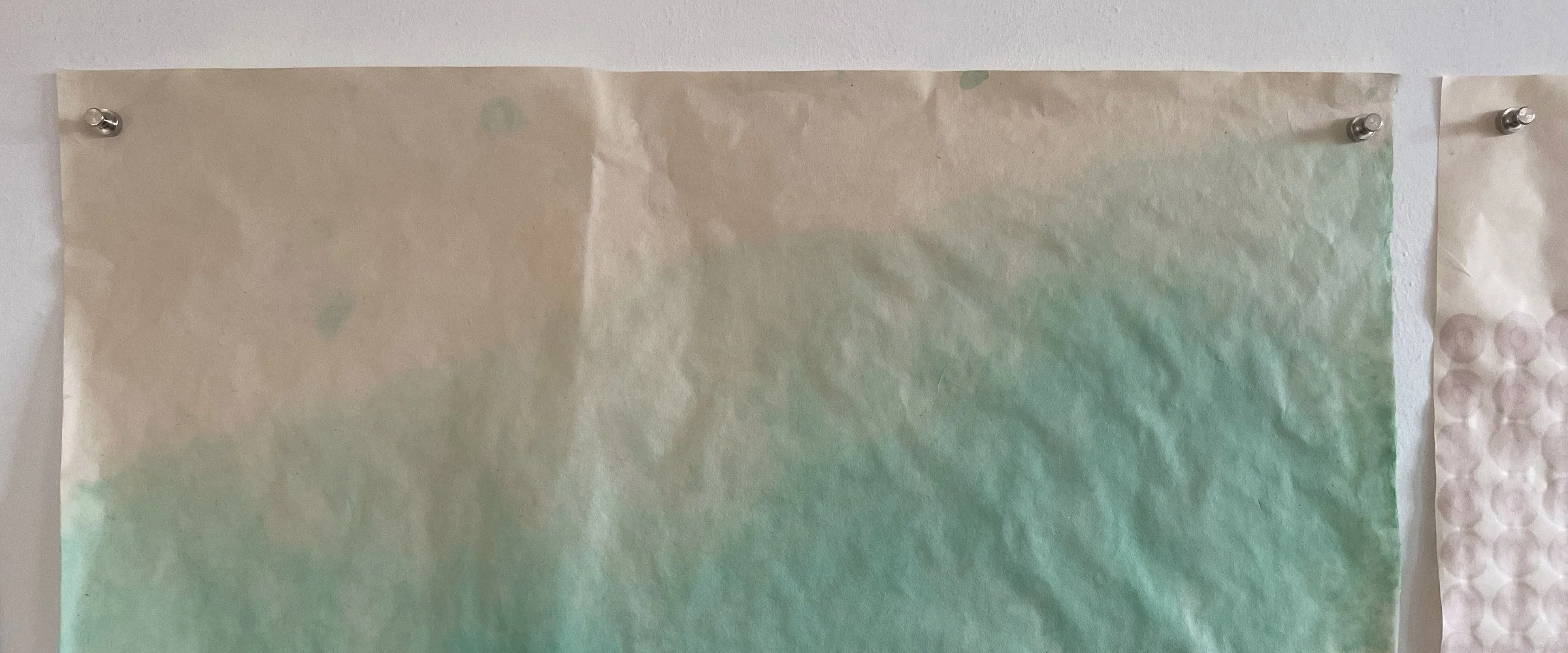
Work in progress using Malachite pigments on Washi
>
How We Perceive Green
Green is the most autonomous of all mixed colors. Unlike violet or orange, which constantly remind us of their parent colors, green rarely evokes its origin in blue and yellow. We perceive it as a color in its own right.
When light with wavelengths between approximately 520 and 565 nanometers enters the eye, we perceive green. Its spectrum ranges from deep fir and emerald greens to grass green, frog green, toxic green, lime, olive, and pale seafoam hues. Across this wide range, green is commonly experienced as fresh, calming, and restorative.
Green as Life, Youth, and Hope
Green symbolizes life, nature, fertility, and renewal. Without the green of plant life, human existence would be impossible. It stands for growth and flourishing — one “has a green thumb” — and is closely associated with spring.
In everyday language, green also denotes youth and inexperience: someone may be “green behind the ears.” Springtime emotions and the awakening of love are likewise linked to green, though this “green love” refers more to innocence and emotional openness, while red traditionally symbolizes physical passion. Both colors are often associated with the heart chakra — the energetic center of love.
Hope is another key aspect of green symbolism. No matter how long winter lasts, we know from experience that nature will return in spring. In Chinese philosophy, green is associated with health, life, growth, and spring, and is linked to the element of wood.
+
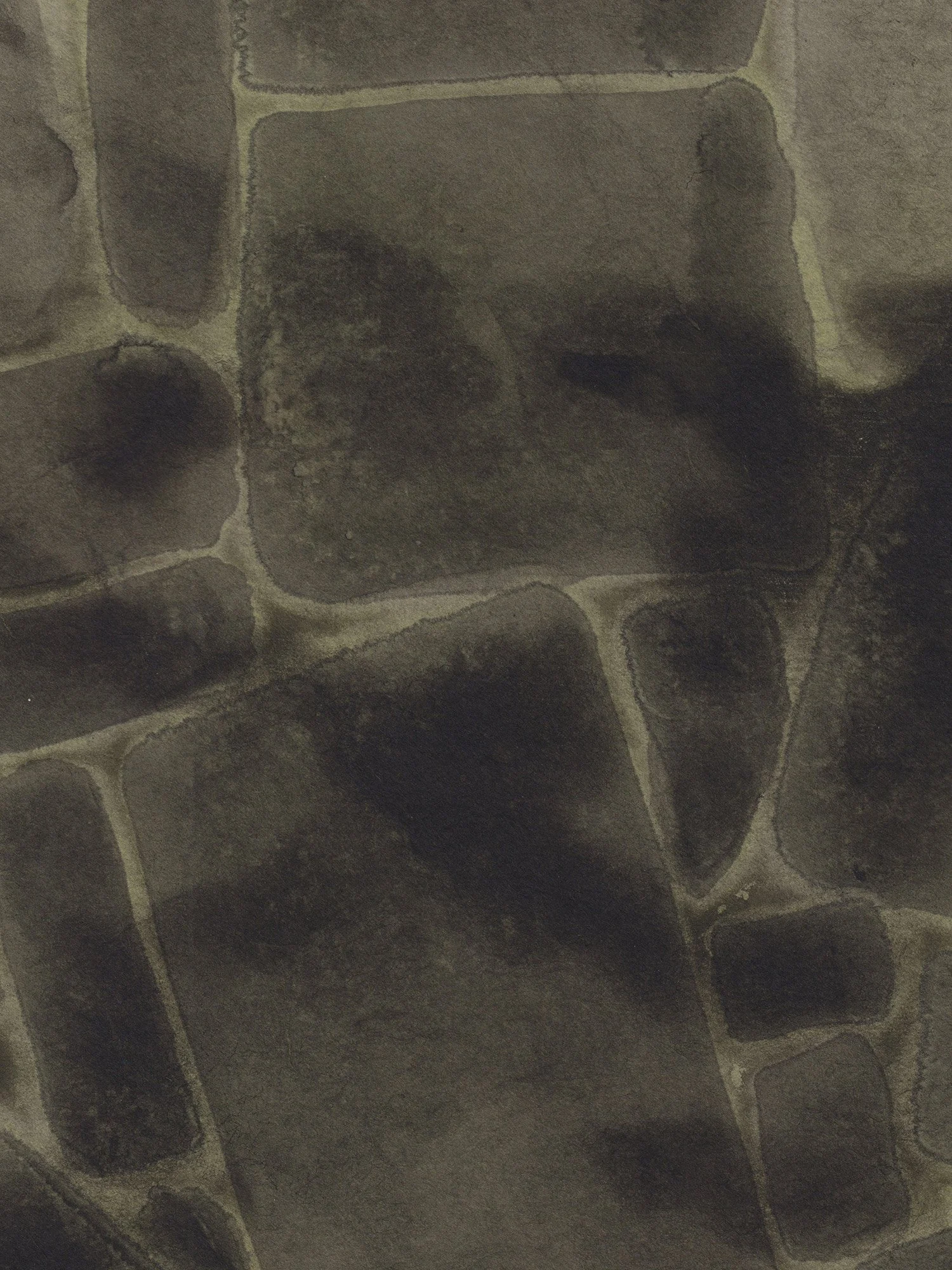
detail from Deep Green Formation | Contemplation N°86
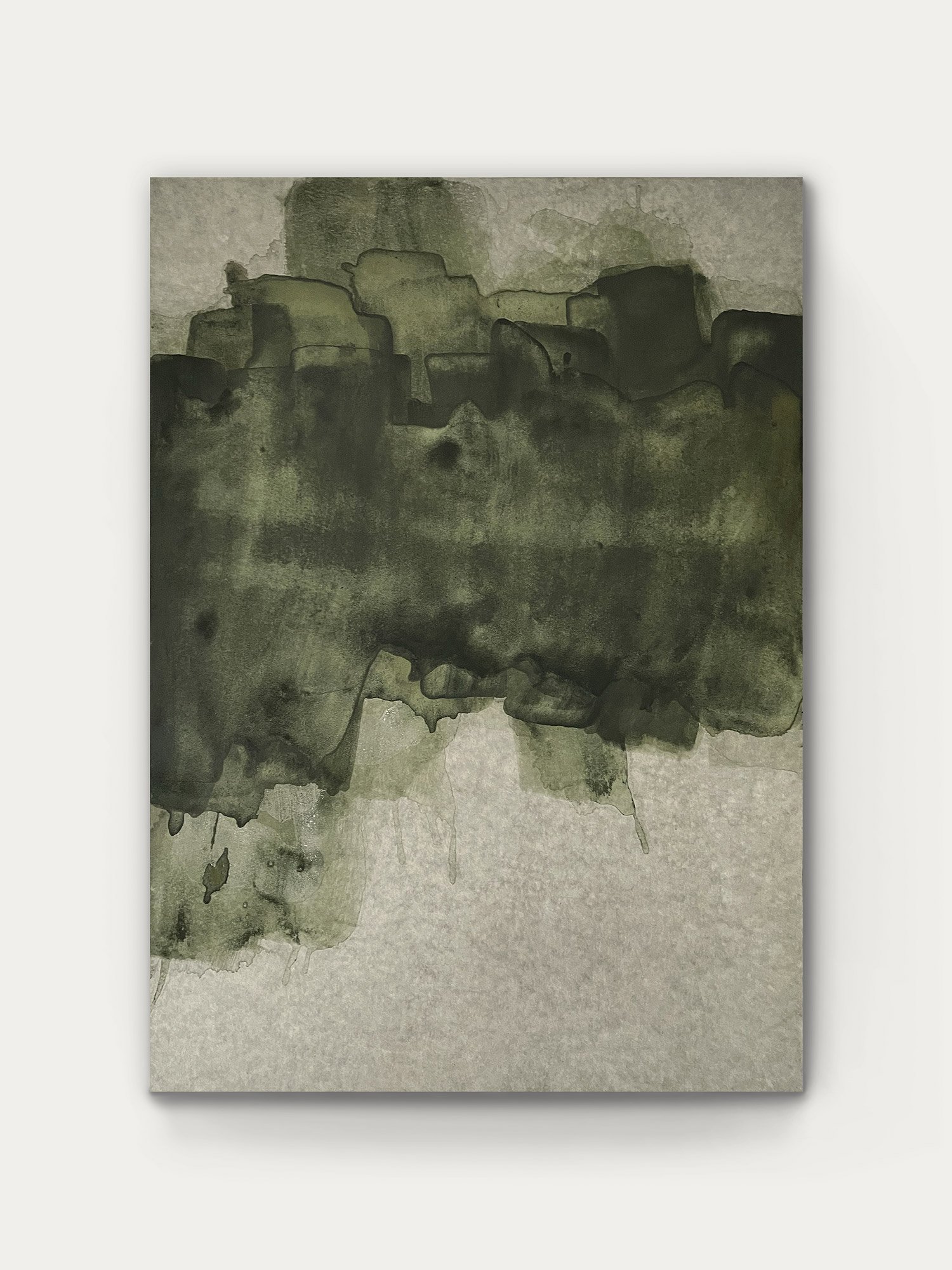
Pinewood | Contemplation N°74
[
Harmony and Balance
Green is perceived as the most neutral and balanced of all colors. It has a calming, harmonizing, and revitalizing effect. Few things restore the senses as deeply as a walk through green surroundings. For this reason, green was historically a favored color for living rooms and salons — a color of quiet equilibrium.
Freedom and Permission
In traffic, green signals permission and free passage. Figuratively, we “give someone the green light.” Green represents openness, functionality, and flow. It is often used to indicate that processes are working, allowed, or proceeding smoothly — echoing the effortless logic of natural systems.
/
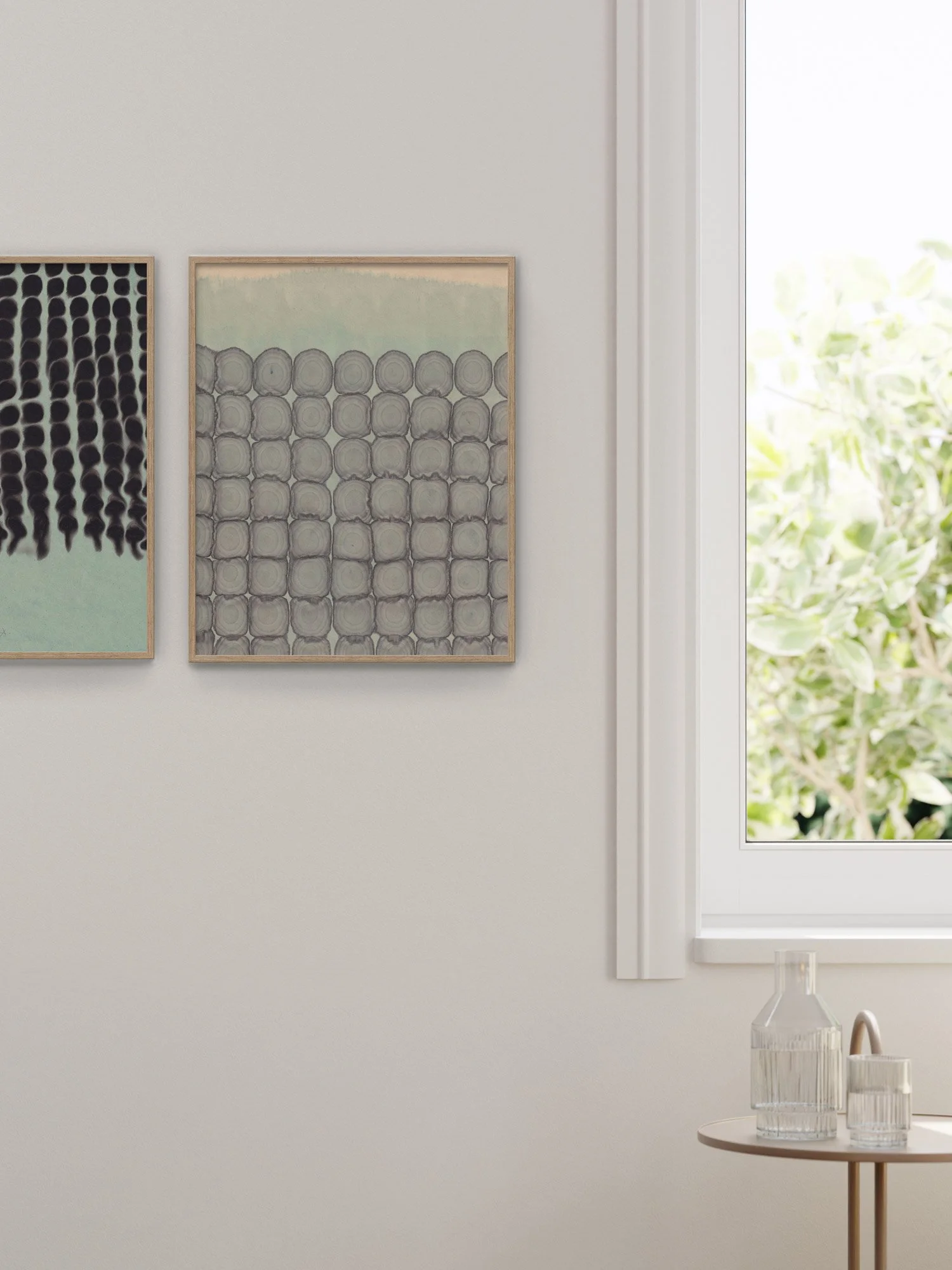
Breath Meditation N°26 and Breath Meditation N°66
The Luck of the Chinese
In China, red is one of the most widely used and culturally powerful colors. It symbolizes joy, summer, the south, and the element of fire. Traditionally, it drives away evil spirits and attracts prosperity and good fortune.
Brides wear red wedding dresses, and when a child is born, neighbors offer red eggs — symbols of luck and well-being.
Sacred Green
Green is especially revered where it is scarce — in the desert. It was the favorite color of the Prophet Muhammad and remains the sacred color of Islam. In ancient Egypt, green was associated with Osiris, the god of rebirth and fertility, often called “the Great Green,” embodying the life-giving power of the Nile.
In Christianity, green symbolizes resurrection and renewal and is used as a liturgical color during Easter. It is also associated with the Holy Spirit. In Ireland, green broadly represents Catholic identity and spiritual heritage.
Poison, Envy, and Decay
Yet green also has its darker aspects. When we feel nauseous, we may turn “green.” Envy, too, is famously green. Unripe food (green bananas or tomatoes), toxic substances (verdigris, mold), and bitterness are often linked to unpleasant green tones. In taste, green can suggest freshness — but also sourness or bitterness.
In myths and popular imagination, demons, goblins, aliens, and other unsettling figures are frequently depicted as green, reinforcing its ambivalent nature.
<
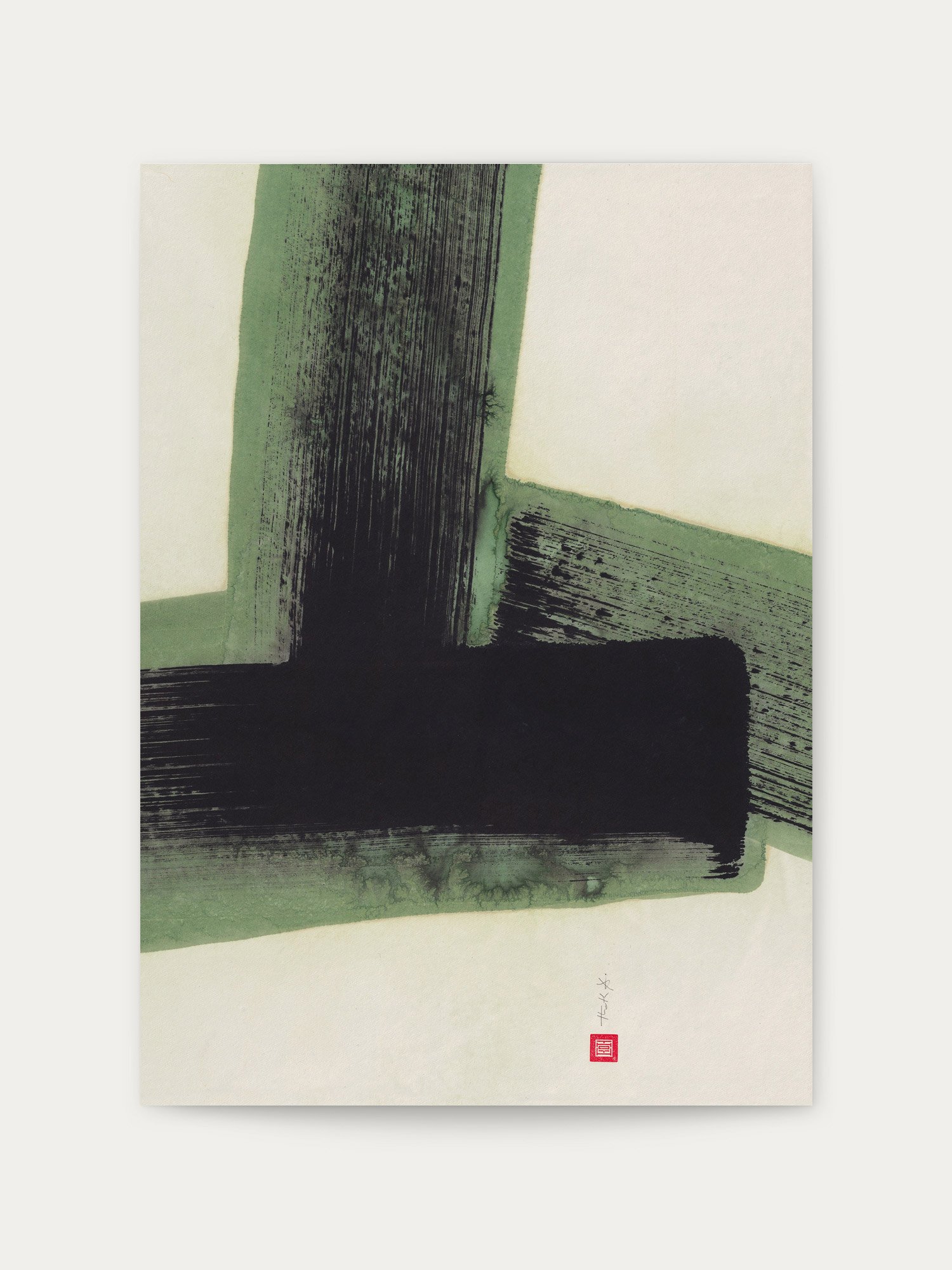
Taogram N°31
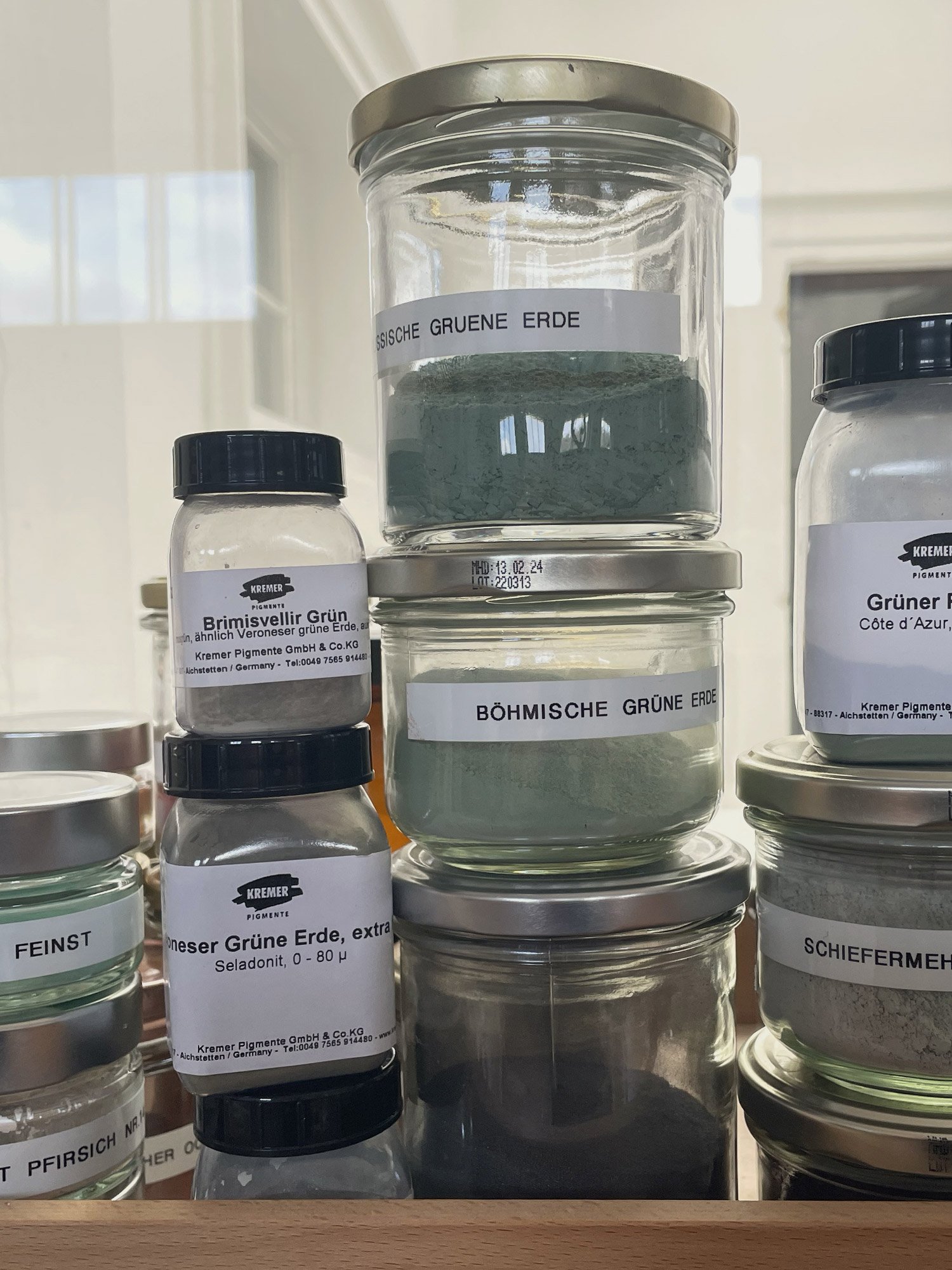
Green-hued mineral pigments in the studio
:
Curious about other Colors? (coming soon)
> Red
> White
> Yellow
> Orange
> Purple
> Blue
> Turquoise
> Green
> Brown
> Black
> Gray
> Silver
> Gold